
Therapeutic Area
Autoimmune in vitro assays
As an Immunology CRO, we provide Autoimmunity focused services to test therapeutics that modulate or re-educate harmful self-directed immune responses. This aligns with the shift towards developing targeted, precision therapies rather than broad based immunosuppressants.
"*" indicates required fields
Use ex vivo secondary lymphoid organ models to test autoimmune targeted therapeutics
Our models capture key disease mechanisms, including autoreactive T and B cell responses, through systems such as our ex vivo tonsil re-aggregate model (replicating immune priming in a secondary lymphoid organ (SLO)) and co-culture models that assess immune cell interactions with tissue-resident cells from sites such as skin and joints.
Example assays: Mixed lymphocyte reactions (MLR) → T1, Th2, Th17, iTreg, Tfh polarisation and effector assays → B cell isotype switching and antibody production → nTreg suppression assays → M1, M2a-d polarisation → Neutrophil ROS, immune complex NETosis
Key Assays
Example of key assays designed to test small molecules, biologics, cellular therapies, vaccines and nutraceuticals
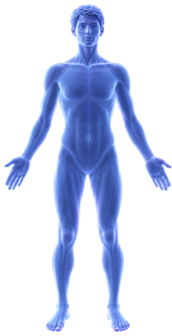
Human Healthy and Disease Biospecimens
Human Biospecimens (e.g)
- Sourced frozen or fresh from our clinical networks
- Treatment naive, disease and treatment stratification
- Ulcerative colitis: Receptor Occupancy assay
- Rheumatoid Arthritis: Synovial fluid and PBMC assay
- Type 1 diabetes: PBMC autoantigen assays
- Hepatitis B: cytokine release assays (CRA)
- Systemic Lupus Erythematosus: CRA
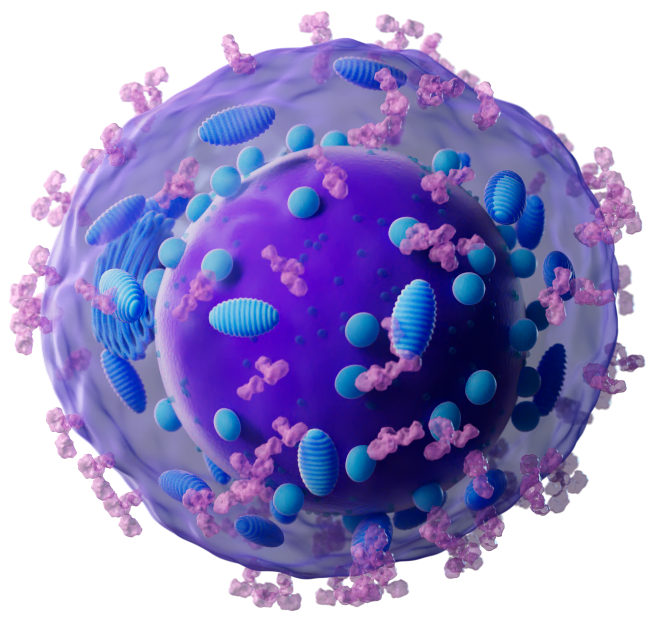
B Cell
Autoimmune Assays
- Antibody production (Total IgG)
- Memory B cell Antibody Isotypes
- Naïve B cells Isotype switching
- B cell proliferation/activation/cytokine secretion
- Antigen presentation
- Ex vivo Secondary Lymphoid Organ model
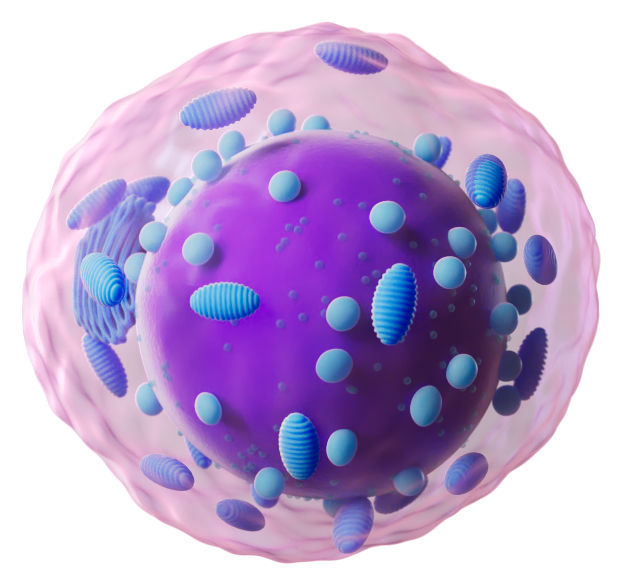
CD4+ T cell
Autoimmune Assays
- Th1/2/17 polarisation
- Th17 function
- Tr1/iTreg polarisation
- nTreg suppression
- Tfh, naïve
- CM and EM phenotype/function
- Polyclonal T cell proliferation
- Cytokine release
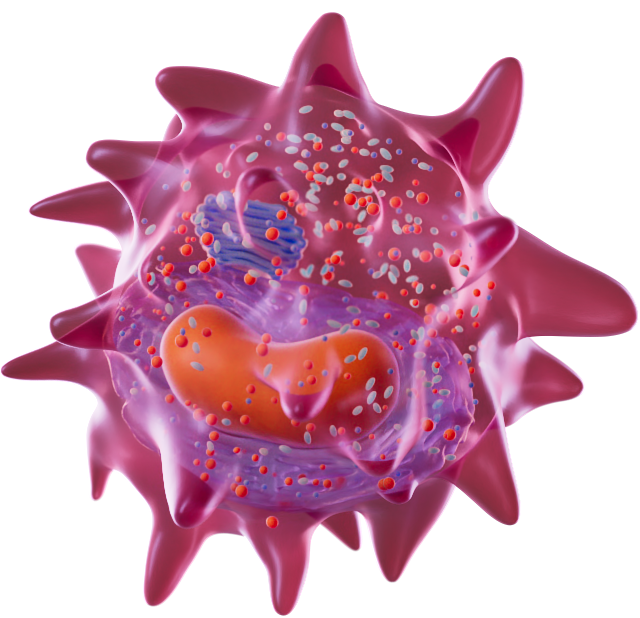
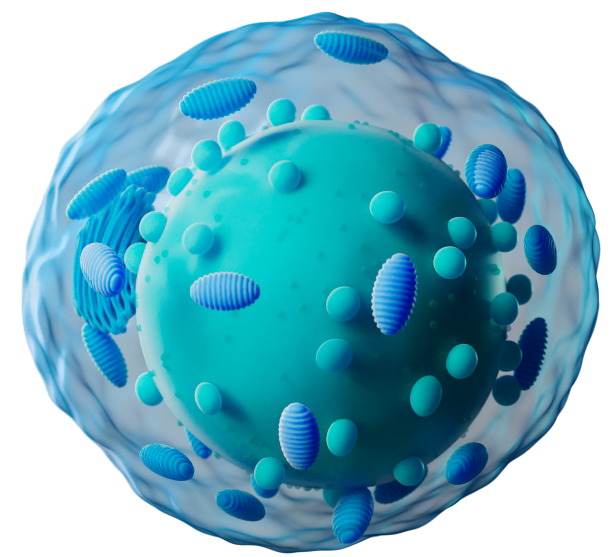
Macrophage
Autoimmune Assays
- M1/M2a-d polarisation and function (phagocytosis, ROS, cytokine)
- Co-culture models with fibroblasts, keratinocytes, epithelial barrier, T cells
- Cytokine Release Assay (CRA)- predictive toxicity
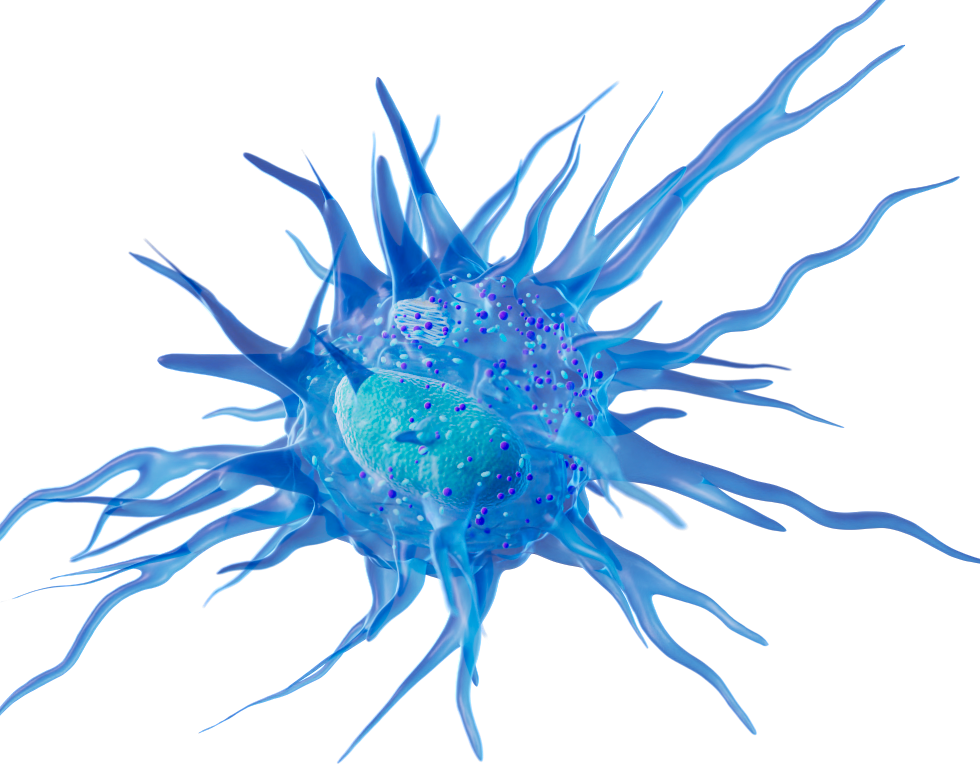
Dendritic Cell
Autoimmune Assays
- Antigen presentation (example recall antigens- Tetanus Toxoid, influenza, Spike, CMV)
- Auto-Antigen presentation (example -T1D, Rheumatoid Arthritis)
- Antigen-specific priming of naive and memory T cells
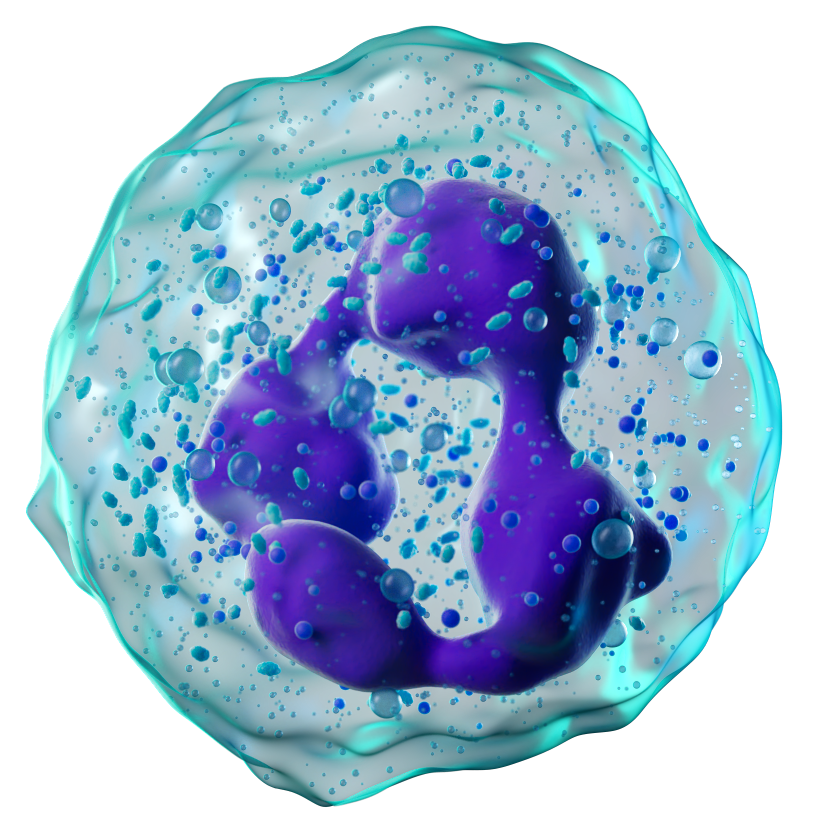
Neutrophil
Autoimmune Assays
- Respiratory Burst (ROS, Phagoburst)
- NETs
- Phagocytosis/trogocytosis
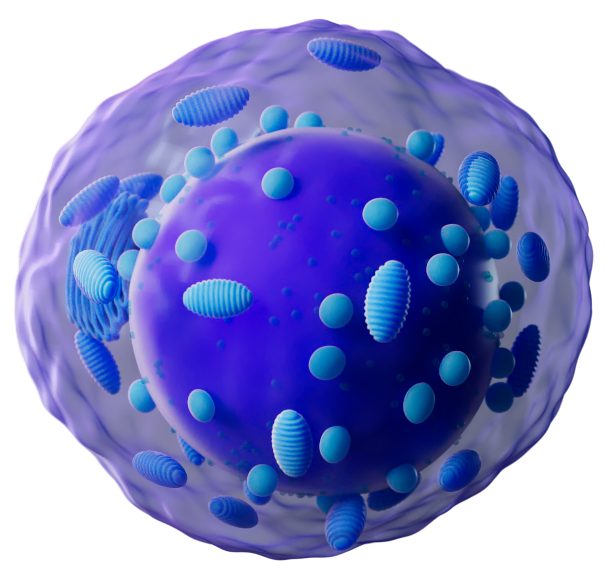
Natural Killer Cell
Autoimmune Assays
- ADCC- depletion of autoreactive immune cells
- CDC (NK independent)
Modalities we support
1
Small Molecules
Small molecules primarily target three types of protein targets: 1. kinases that regulate production of inflammatory mediators; 2. the receptors and the key signaling molecules in the nucleic acid-sensing pathways; and 3. soluble ligands, such as cytokines and receptors on the cell surface. Example Assay Controls: Ibrutinib (BTK inhibitor), Tofacitinib (JAK inhibitor), Rapamycin, FK506, Cyclosporin
2
Large Molecules (Biologics)
Large molecules, such as monoclonal antibodies, antibody-drug-conjugates (ADC), bi/tri-specific antibodies, offer a precision medicine approach to the treatment of autoimmune disease. Either by modulating an overreactive immune system, neutralising inflammatory cytokines or immune reset by deep depletion methods. Example Assay Controls: Rituximab, Rosnilimab, Infliximab
3
Cell Therapies (e.g. CAR-T, CAR-Treg)
Cell therapy, in autoimmunity is a new and evolving area; the clinical success of CD19 CAR T depleting pathogenic B cells in SLE show how Oncology therapeutics can be repurposed for autoimmune use. Furthermore, next generation inhibitory iCAR or CAR-Treg offer a new immunomodulatory approach to control autoimmune disease.
4
Targeted Protein Degraders (PROTACs)
Targeted protein degraders, such as PROTACs (Proteolysis-Targeting Chimeras), harness E3 ligases to selectively remove disease-driving proteins using the cells natural degradation pathway. Offering a precise therapeutic strategy capable of addressing targets beyond the reach of conventional small-molecule inhibitors.
Autoimmunity FAQ
Can you model specific autoimmune diseases in your assays?
Yes, we have in vitro immune cell assays that model autoimmune diseases such as rheumatoid arthritis, lupus, psoriasis and multiple sclerosis. Using these autoimmune disease models we can test novel therapeutics that target autoreactive immune responses.
Do you use diseased immune cells from autoimmune patients in your assays?
Yes, we use immune cells from healthy donors and autoimmune patients to evaluate therapeutic mechanism of action (MOA), translation into the disease setting and candidate profiling through IND-enabling studies.
Do you provide assays to evaluate B cell function in autoimmunity?
Yes, we provide B cell function assays for autoimmunity using our tonsil organoid model or peripheral blood. The assays evaluate T cell: B cell cross talk, antigen-specific B cell proliferation, activation, antibody production (total IgG and isotype switching) and memory B cell responses. We also assess therapeutic effects on key B cell subsets such as naive, pre-GC, GC, memory, plasmablast/cytes.
Do you offer Predictive Immunotoxicology services?
Yes. Our predictive immunotoxicology services help identify immune-related liabilities early, including cytokine release, on-target/off-tumour effects, unwanted FcR-mediated activation, and T-cell fratricide or AICD. Assays include whole-blood and PBMC CRA, ADCP, ADCC and CDC, complemented by advanced NAMs such as our ex vivo Secondary Lymphoid Organ model, which can assess efficacy and potential immune safety risks within the same human-relevant system. These services are IND-supporting.
What Our Partners say about Nexus
The team at Nexus are fantastic! Great adaptability at working with highly bespoke requests and difficult experiments to keep the project on track and deliver within aggressive timelines. A highly flexible, friendly and efficient team to work with!

We have been delighted with our interactions with Nexus BioQuest. I first reached out to them after a recommendation from a former colleague. I appreciated their ability to suggest immunoassay options to address the question of interest (as a neurobiologist, the immune system definitely works in mysterious ways!). This was further bolstered by exemplary attention to detail when putting together a work package proposal which was then efficiently executed. The skill set, responsiveness, knowledge base, effort, effectiveness, transparent and regular communication were all outstanding and I have no hesitation whatsoever in recommending Nexus BioQuest as a partner of choice.

Our work with Nexus BioQuest initially started with developing a novel T cell assay and grew from there into a much larger screening project. Working with Nexus has been a fantastic experience, marked by their deep expertise in immunology and friendly staff. At the onset of the project, Nexus really took the time to understanding of our project needs, setting us up for success throughout. Nexus distinguishes themselves by their enthusiasm, knowledge, and commitment to excellence, with contributed significantly to the development of a tailored assay that exceeded our expectations.

I would like to thank the team at Nexus BioQuest for providing an excellent and professional service supporting our R&D development activities. The Nexus team were great to work with from contract signature to delivery of final reporting. I would certainly recommend their contract services to companies seeking immunology expertise and agile research solutions.

Our experience of working with Nexus was excellent, we felt they held the expertise required for the task at hand, working well together as a high performing team and presenting well researched solutions to assay development and the problems encountered. We wanted a fresh outlook for assay development for our project and the team were able to rapidly research the literature and come up with proposals. The team were flexible and dynamic in their approach providing honest feedback and critique to methods and results. We would certainly work with Nexus again and would not hesitate to recommend them as a CRO for immunological assay development.

Working with Nexus BioQuest has been an absolutely wonderful experience. As a smaller biotechnology company that relies heavily on CRO support to execute our lab-based activities, we could not have found a better biological team to partner with. We needed a team to generate our biological package for a new pipeline candidate and we were fortunate to find Nexus and have them deliver a wonderful data package that will help the Bluejay team move our program forward. Working with this group felt like having an internal Bluejay R&D team from ease of execution, to great scientific discussions and troubleshooting, and having the feeling that the Nexus team was truly invested in the success of our program. I cannot recommend the Nexus team enough and will greatly look forward to collaborating with them again on our next programs and projects!


Drug Discovery Tool
Find the right immune assay for your therapeutic area, modality and target using our interactive Drug Discovery Tool.